Comparing Traditional vs. Smart Home Rentals: Which is Right for You?


Understanding Traditional Home Rentals
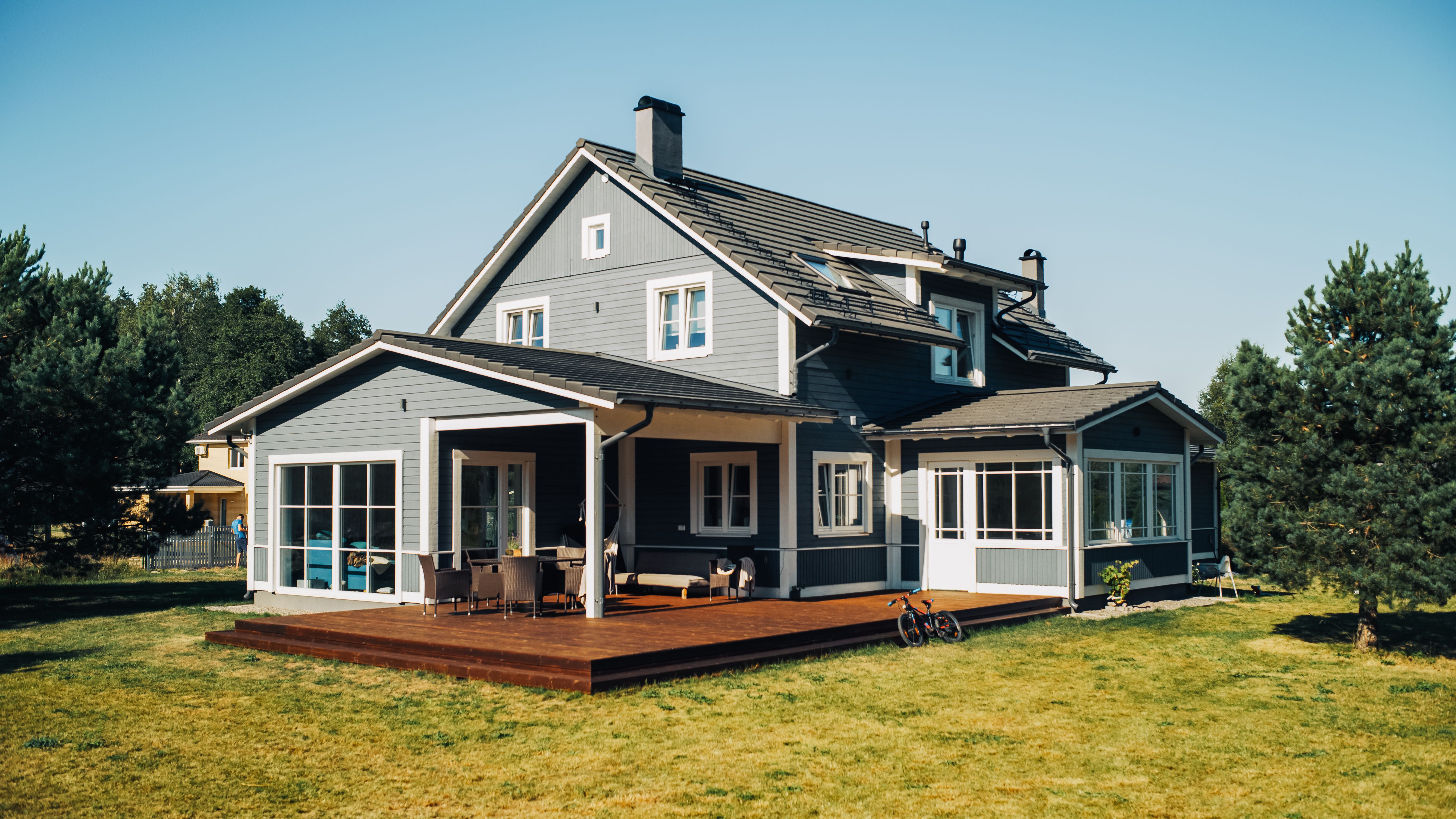
Traditional home rentals have long been the standard choice for people looking for a place to live. These rentals typically involve signing a lease for a specific period, often ranging from six months to a year. During this time, tenants are usually responsible for paying rent, utilities, and sometimes maintenance costs. The appeal of traditional rentals lies in their simplicity and predictability.
One of the main advantages of traditional rentals is the established market. Many people are familiar with the process, making it easier to find credible landlords and reliable properties. Additionally, traditional rentals often offer more space and privacy, which can be appealing to families or individuals planning to stay in one location for an extended period.
The Rise of Smart Home Rentals
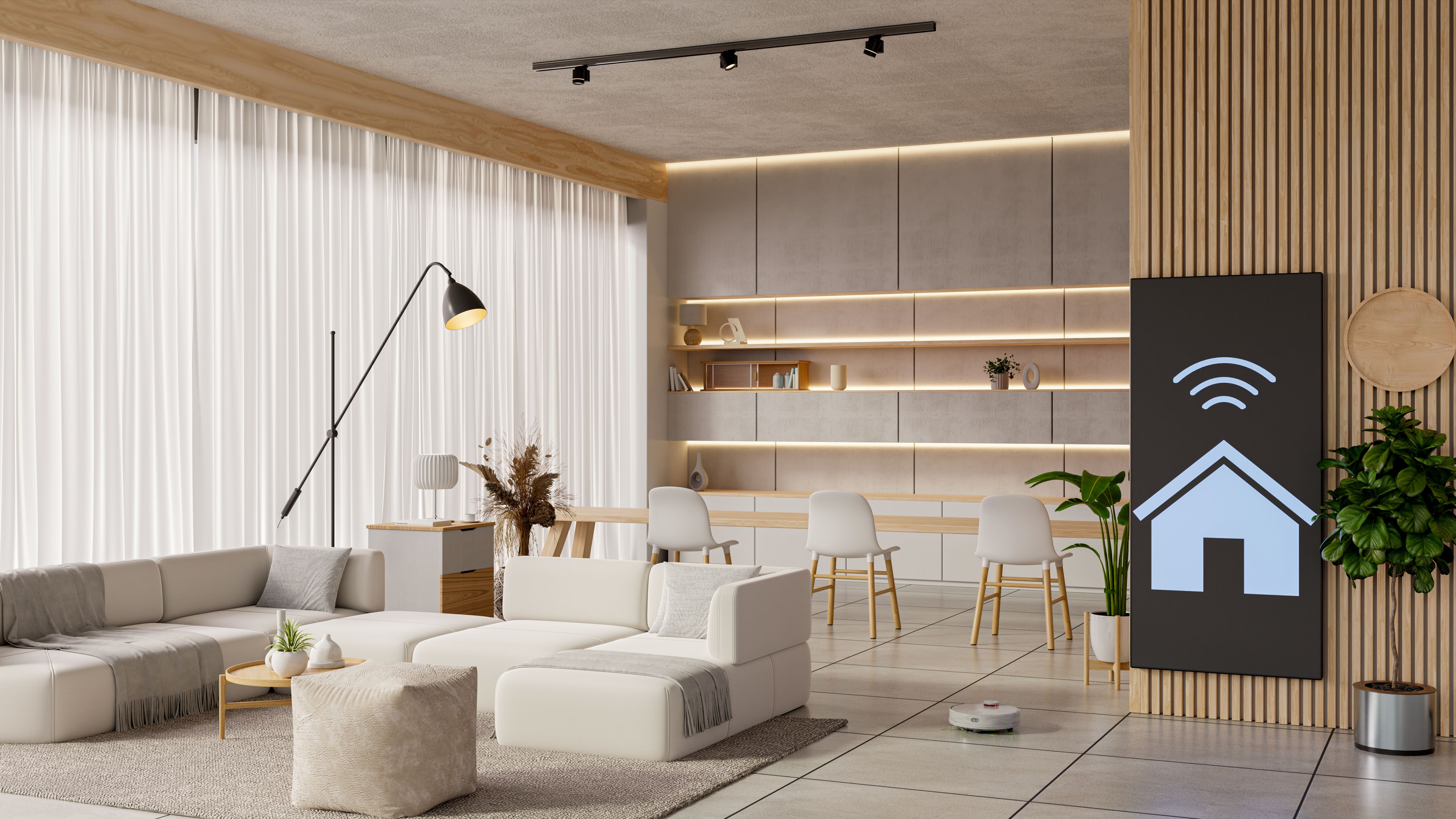
In recent years, smart home rentals have become increasingly popular, offering a modern twist on the traditional rental experience. These homes are equipped with advanced technology that allows residents to control various aspects of their living environment through smart devices. From adjusting the thermostat to managing security systems, the convenience of smart homes is a significant draw for tech-savvy renters.
Smart home rentals often come with features such as energy-efficient appliances, automated lighting, and voice-controlled assistants. These innovations not only enhance convenience but can also lead to cost savings on utility bills. For those who value modern amenities and sustainability, smart home rentals present an attractive option.
Comparing Costs and Benefits
When comparing traditional and smart home rentals, one of the primary considerations is cost. While traditional rentals might have lower upfront costs, smart homes can offer long-term savings through energy efficiency. It’s essential to evaluate your budget and determine which option aligns best with your financial goals.
Moreover, consider the benefits each type of rental offers. Traditional homes might provide more space, while smart homes offer convenience and modern features. The choice often depends on personal preferences and lifestyle needs.
Impact on Lifestyle
Your lifestyle plays a crucial role in deciding between traditional and smart home rentals. If you value the latest technology and enjoy having control at your fingertips, a smart home might be the right fit. On the other hand, if you prefer a more conventional living environment with fewer technological dependencies, a traditional rental could be more suitable.

Security and Privacy Concerns
Security is a significant factor to consider. Traditional homes often rely on standard locks and security measures, while smart homes offer advanced security systems with real-time monitoring and alerts. However, smart homes can raise privacy concerns, as the technology involved may collect data on your habits and daily routines.
It's crucial to weigh the security benefits of smart homes against any potential privacy issues. Ensure you understand the data policies of any smart devices included in the rental before making a decision.
Making the Right Choice
Ultimately, choosing between traditional and smart home rentals depends on your priorities. Consider factors such as budget, lifestyle, security, and convenience. By evaluating these aspects, you can make an informed decision that best suits your needs and preferences.
Both traditional and smart home rentals offer unique advantages. Whether you prefer the comfort of a familiar setting or the allure of cutting-edge technology, there's a rental option out there for everyone.